
Chalk dust settles into every crease. Your fingertips are raw from tiny crystals and rough rock. You tape a flapper, file a snag, and head back to the wall. Rock climber hand and nail care is not a luxury—it is how you keep climbing without your hands falling apart. At Pandora Nail Spa in Lafayette, we see climbers from Moraga, Orinda, and Walnut Creek who love the sport and need their hands to keep up.
Climbing beats up your hands in ways most manicures never address. The chalk that improves your grip also pulls moisture out of your skin and nails. Repeated loading on small edges causes micro-tears around the nail plate. If you ignore that damage, you get splits, peeling, and painful hangnails that end a session early. Our technicians understand this because we work on climbers’ hands every week.
Why Climbing Is So Hard on Hands and Nails
Magnesium carbonate chalk absorbs oil and water. That is its job, but it leaves your skin and nail beds parched. Dry nails lose flexibility and crack under pressure. The constant friction of gripping holds wears down the free edge of the nail and stresses the hyponychium—the seal under the nail tip. According to the American Academy of Dermatology, keeping nails clean and dry helps prevent breakage, but climbers need extra help because chalk keeps them too dry.
We also see a lot of climbers with calluses that split. A thick callus is useful on the wall, but when it cracks, it opens a painful fissure right where you need to grip. Our manicure services include gentle callus smoothing that keeps the protective layer without letting it tear. We never remove calluses completely—that would ruin your climbing—but we reduce the ridges that catch and split.
The Salon Approach to Climber Hands
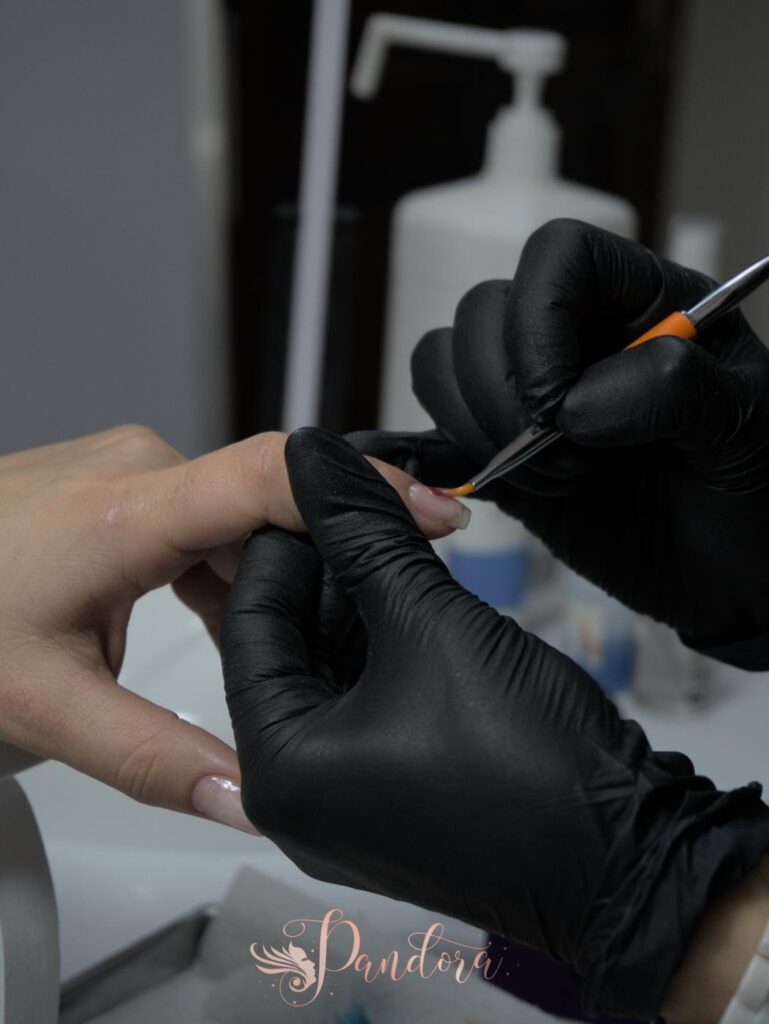
When a climber sits down at our table, we start with a close look at the nail plate and surrounding skin. We check for lifting, splits, and signs of fungal issues that can start in chalky, sweaty conditions. Then we soak your hands in a warm, moisturizing bath that softens the dead skin without stripping the natural oils. After that, we push back cuticles gently—never cutting them, because cuticles are your nail’s first line of defense.
Next we file the nails short and even. Many climbers try to do this at home and end up with jagged edges that snag on holds or catch on chalk bags. A professional shape removes weak spots and prevents tears before they start. We finish with a rich cuticle oil and a hand massage that brings blood flow back into fingers that have been crimped for hours. The whole service takes about 45 minutes, and your hands feel different the moment you leave the chair.
Protecting Your Nails Between Climbs
The work we do in the salon lasts longer when you protect it. Wash your hands with a gentle, moisturizing soap after every climbing session to remove chalk residue. Apply a thick hand cream before bed, and keep a small tube of cuticle oil in your chalk bag. These daily habits keep your skin from cracking after your appointment and help your nails stay flexible.
We also recommend wearing tape on your fingertips for crack climbing or long bouldering sessions. Tape reduces direct abrasion on the nail edge and the skin around it. But tape is not a replacement for professional care. It protects the surface; it does not repair the damage already done. A monthly manicure at our Lafayette salon keeps your hands in climbing shape year-round.
Gel Polish and Climbing: What Works
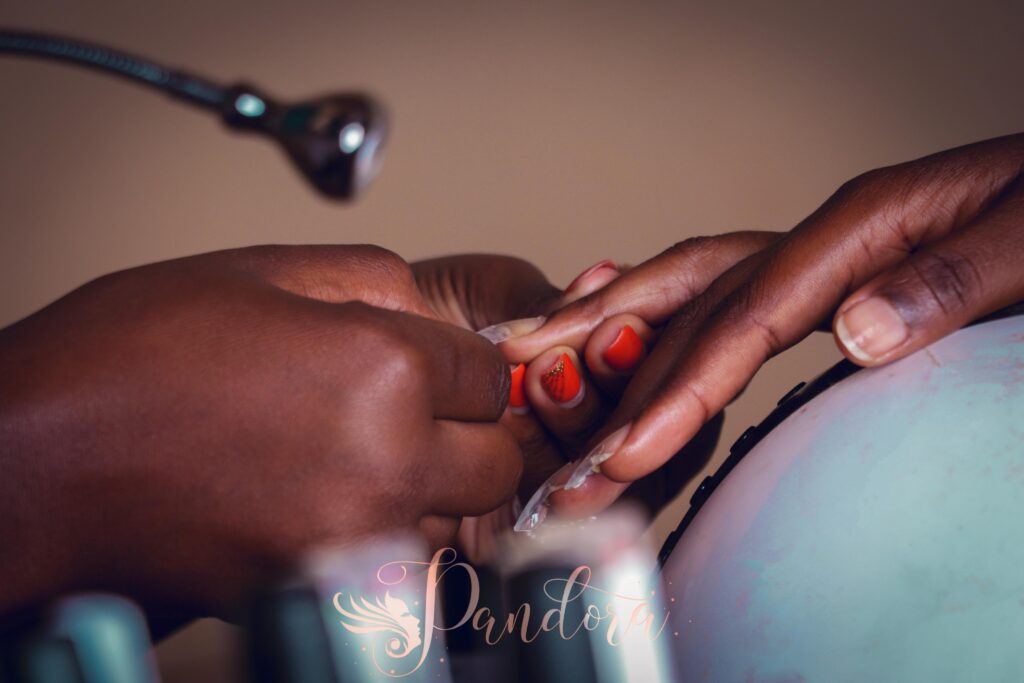
Some climbers ask about gel polish because they want color that survives the gym. Gel polish adds a hard layer that can help prevent splits, but it also makes the nail more rigid. If you catch a gel nail on a sharp hold, the polish may lift and take layers of nail with it. That is why we always remove gel professionally at the salon—never peel it off at home. Our gel extension services include safe removal that keeps your natural nails intact.
If you want color without the rigidity, we suggest a regular polish with a strengthening base coat. It lasts through a few sessions and is easier to touch up. For climbers who just want healthy nails, a simple buff and oil treatment works wonders. We will help you choose based on how often you climb and what kind of rock you are on.

Foot Care for Climbers Too
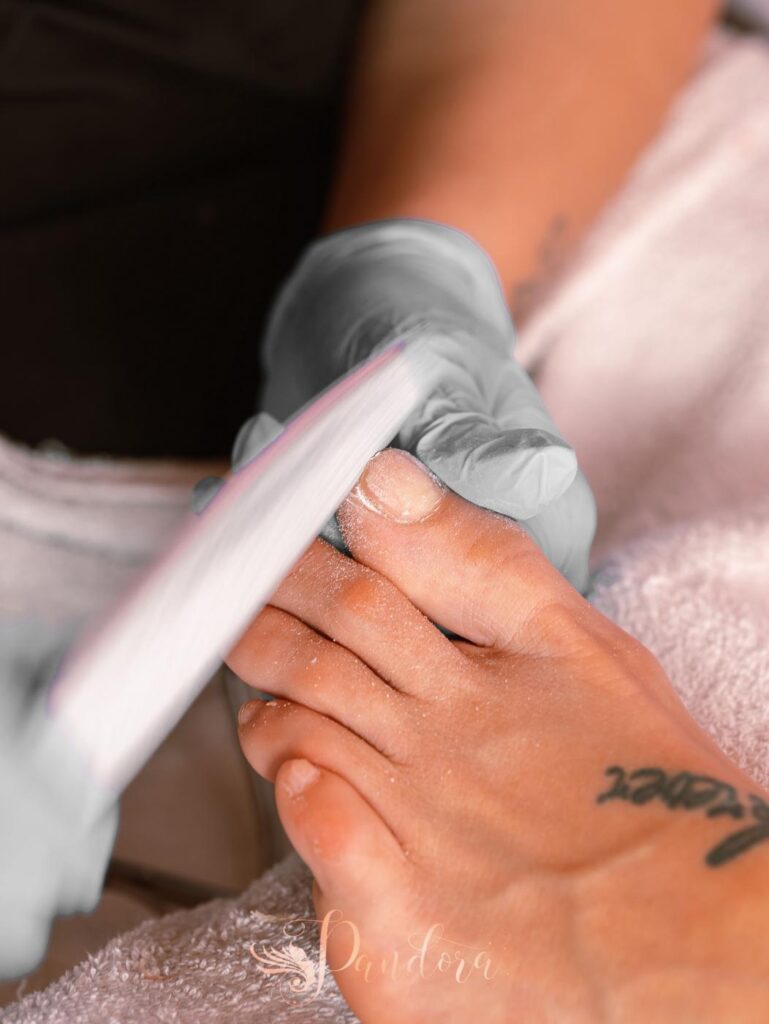
Climbing shoes are tight for a reason, but they do a number on your toenails. Repeated pressure against the front of the shoe can cause bruising, thickening, and ingrown nails. We see climbers with black toenails from long approaches and aggressive shoes. A spa pedicure at Pandora Nail Spa includes careful trimming and filing that prevents ingrown nails and relieves pressure points. We also smooth calluses on the toes and heels that build up from friction inside the shoe.
After a long day at the crag, your feet need the same attention as your hands. Soak them, trim the nails straight across, and moisturize the heels. If you have a bruised nail, do not try to drain it yourself—let our technicians assess it. We can often save the nail and prevent infection. Regular pedicures are not just for sandal season; they keep your feet ready for the next approach.
Why Professional Care Matters for Climbers
You can file your nails at home, but you cannot see the early signs of damage the way a trained technician can. We spot lifting before it becomes a full split. We feel rough edges that will snag on your next climb. We know how much callus to leave and how much to smooth so you keep your grip without tearing. That judgment comes from working on hundreds of hands, including plenty of climbers from the Lamorinda area.
Climbing is hard enough without fighting your own hands. When your nails are short, smooth, and moisturized, you focus on the route instead of the pain in your fingertips. Book a manicure appointment before your next big climbing weekend, or call us at (925) 284-7700. Our Lafayette salon is right down the road from the gym and the crags, so you can stop in after a session and let us put your hands back together.
FAQ
Why do rock climbers get dry, cracked hands?
Chalk and repeated friction strip moisture from the skin. Regular moisturizing and professional manicures help restore the skin barrier.
Should rock climbers keep their nails short?
Yes, short nails reduce the risk of painful breaks and allow better grip on holds. A professional manicure can shape them safely without weakening the nail plate.
Can I get gel polish as a rock climber?
Gel polish adds a protective layer that may help prevent splits, but it needs professional removal to avoid damage. Many climbers choose a strengthening treatment instead.
How often should a rock climber get a professional manicure?
Most climbers benefit from a manicure every two to three weeks to manage calluses, repair nail damage, and keep hands conditioned.
Your hands are your most important climbing gear. Treat them like it. Whether you are projecting a boulder problem or heading to the Sierra for a weekend, a professional rock climber hand and nail care session at Pandora Nail Spa keeps you on the wall. We are here in Lafayette for climbers from Moraga, Orinda, and all over the East Bay. Come see us after your next session—your hands will thank you.
Related at Pandora Nail Spa: Why Are My Nails Dry? 8 Salon Secrets · Pedicure After Hiking: 8 Salon Tips
Disclaimer: For general education only; based on reputable sources linked above and not medical advice. For any health concern, see a licensed physician or dermatologist. For personalized nail services, book an appointment at our Lafayette salon.