
If your nails feel rough, brittle, or unusually dry despite your usual care, hard water effects on nails may be the hidden culprit. Lafayette homes often have mineral-rich tap water, and those minerals can cling to the nail plate and surrounding skin. Here’s what to know, plus why a professional manicure at Pandora Nail Spa is the most effective way to restore a healthy, polished look.
What Hard Water Does to Your Nails
Hard water contains higher levels of dissolved minerals like calcium and magnesium. When that water evaporates from your hands, it can leave behind a fine mineral film on your nails. Over time, that film may make nails feel gritty, look dull, and lose some of their natural flexibility.
According to the American Academy of Dermatology, keeping nails clean and dry helps prevent breakage — but hard water can make that dryness worse. Mineral residue draws attention away from what healthy nails need: balanced moisture and a smooth, clean surface. In the Lafayette area, hard water is common, and because hands are in and out of water throughout the day, nails get repeated mineral exposure. This can amplify the drying effect and make even strong nails feel brittle.
Signs You’re Dealing with Hard Water Effects on Nails
Not sure if your tap water is part of the problem? These signs often show up together:
- Chalky or cloudy patches on the nail plate
- Rough texture that doesn’t smooth out with hand cream alone
- Peeling or splitting at the tips, even without much wear
- Polish that chips or lifts sooner than expected
- Cuticles that look dry or feel tight
If that list feels familiar, your nails may be reacting to mineral buildup. The good news is that professional care can remove that buildup gently and safely, without damaging the nail underneath. You might also notice that your favorite hand cream doesn’t seem to absorb as well on nails that have a mineral film, which is another hint that a professional reset is in order.
Why a Professional Manicure Makes a Difference
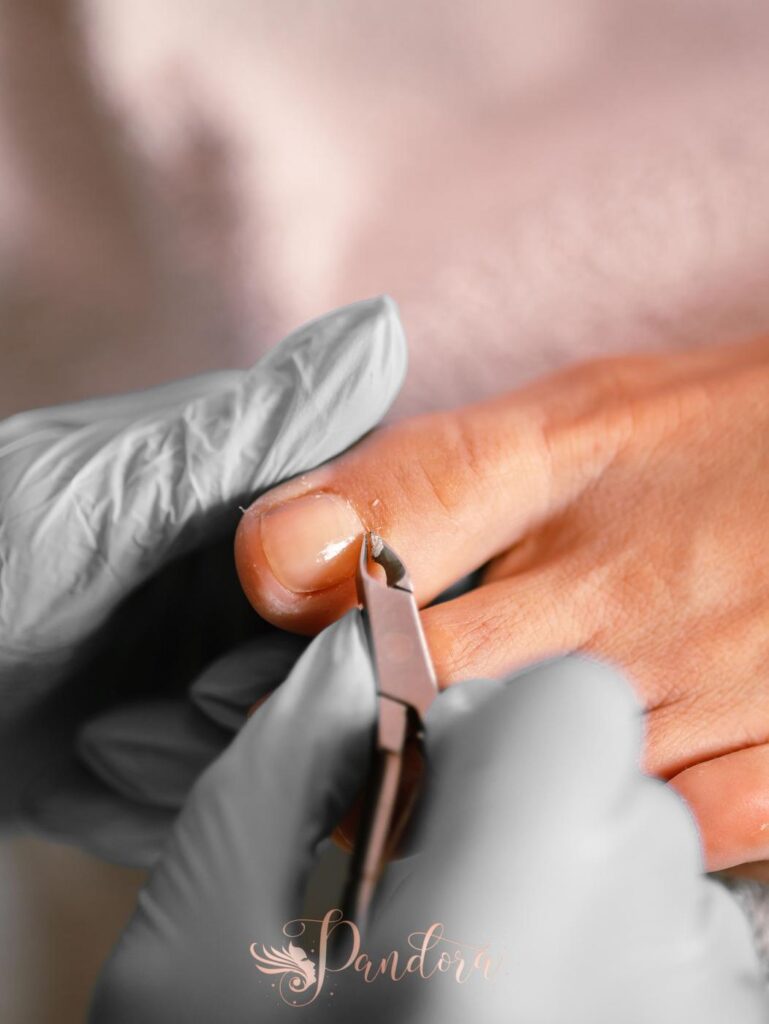
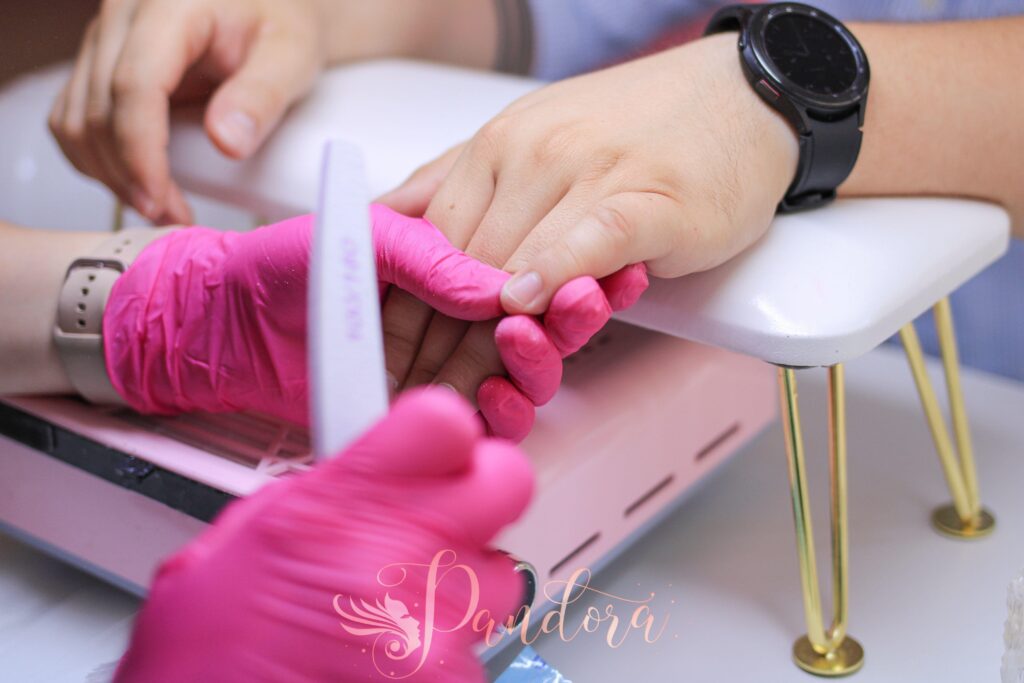
A professional manicure is more than a polish change. During your visit, a nail technician can assess your nails, cleanse the nail plate thoroughly, and use gentle professional techniques to lift away superficial mineral residue and rough edges. That prep work creates the smooth, clean base polish needs to adhere well.
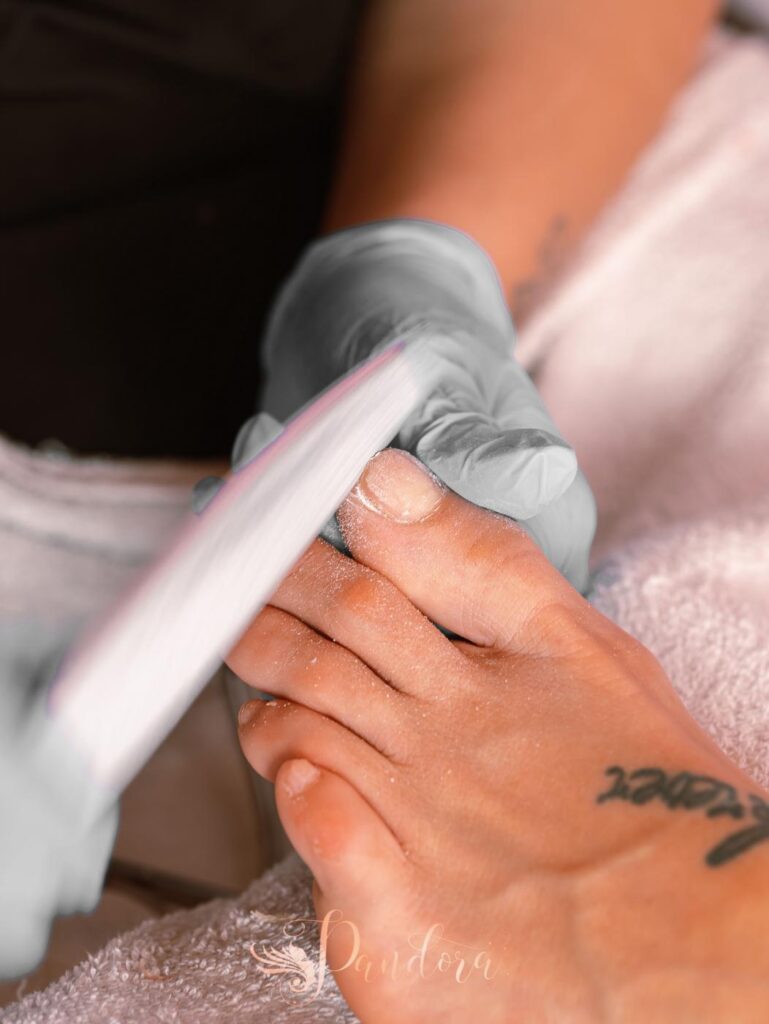
At Pandora Nail Spa, we also think about moisture from the start. Hydrating cuticle oils and nail treatments used in the salon help counterbalance the dryness that hard water often leaves behind. We start with a gentle nail cleanse that removes oils and mineral film, then smooth the surface with fine professional tools. That process is different from at-home filing or buffing, which can thin the nail if done incorrectly. This is one of the reasons regular appointments keep nails looking and feeling their best.
Another benefit of seeing a professional is that we can spot early signs of damage before they worsen. Peeling, ridges, or persistent dullness all respond better when addressed early with the right salon care.
Daily Habits That Protect Your Nails
The habits you follow day to day can help protect your salon manicure from mineral buildup. These are not replacements for professional care; they are simple ways to keep your nails comfortable and your polish looking fresh day to day.
- Rinse hands with lukewarm water instead of hot, very hard water when possible.
- Pat nails dry with a soft towel rather than rubbing or letting water air-dry.
- Apply a light hand cream after every wash to keep surrounding skin supple.
- Wear gloves when doing dishes or cleaning, which limits prolonged mineral contact.
- Use a gentle, moisturizing hand soap that won’t strip natural oils.
One word of caution: do not try to scrape or aggressively buff mineral film off at home. That can damage the nail plate and weaken your nails over time. Professional tools and techniques are designed to remove buildup without compromising the nail. For more simple ways to keep nails healthy, take a look at our nail care tips.
If you have very dry hands, consider keeping a small cuticle oil in your bag and applying it after handwashing. That extra layer of moisture helps keep the nail plate flexible and less likely to catch on fabric or chip.
Hard Water and Polish: Why It Lifts or Chips Early
One of the most frustrating hard water effects on nails is early polish failure. When mineral film sits on the nail plate, base coats and polish may not bond as tightly, which can lead to chips at the tips or lifting at the edges. Gel polish can resist everyday wear better, but it still needs a clean, well-prepped nail surface to perform.
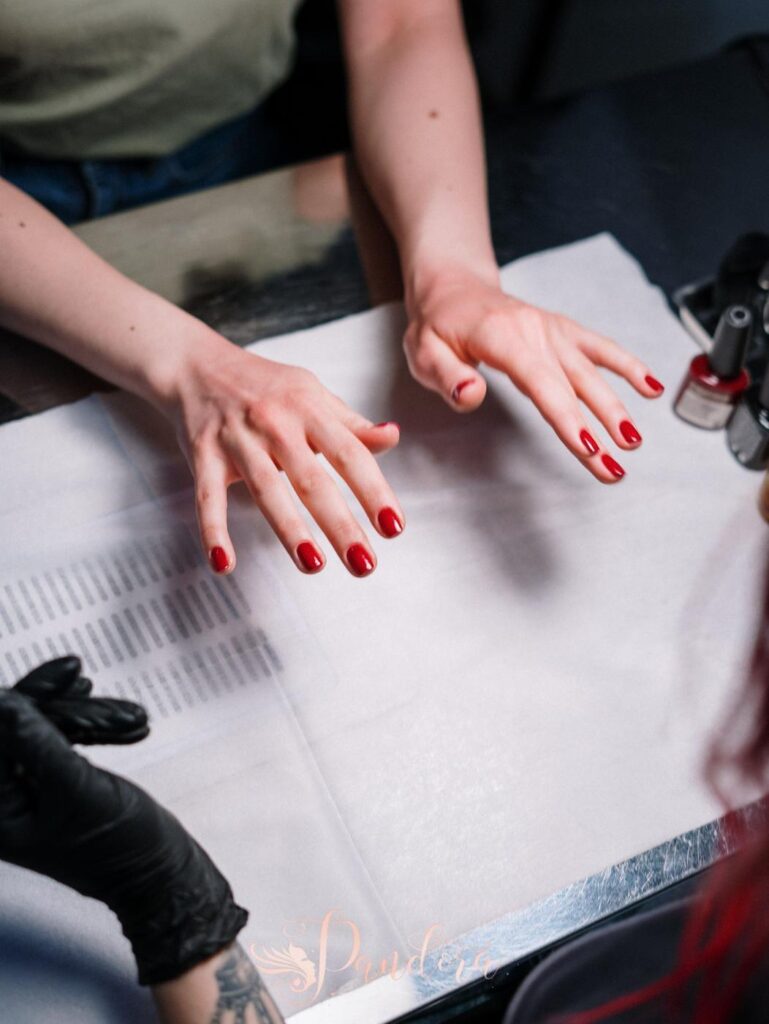
If your nails are also peeling, hard water can make that problem more visible. Gentle professional shaping and targeted hydration can reduce the look of peeling while you work toward stronger nails. Our team often recommends reading how to prevent nail peeling for more background on what your nails need. For clients who love long-lasting color, a gel manicure after thorough prep is often the best choice. The key is not just the product; it is the clean surface underneath.
Think of your nail plate as the foundation for any polish. When that foundation is clean and properly hydrated, color applies more evenly and stays put longer. When it is coated with mineral residue, even the best polish formula works harder than it should.
FAQ
Can hard water make nails brittle?
Yes. Mineral deposits from hard water can strip moisture and leave nails feeling dry and brittle. Regular professional manicures help restore hydration and smoothness.
How do you fix nails damaged by hard water?
A nail technician can gently remove superficial mineral buildup and apply strengthening treatments. Daily moisturizing and professional maintenance keep nails from becoming rough or weak.
Does hard water cause nail polish to chip?
Hard water can leave a mineral film on the nail plate, which may prevent polish from adhering as well and lead to earlier lifting. A clean, professionally prepped nail surface helps polish last longer.
Is hard water bad for cuticles?
It can dry out the surrounding skin, making cuticles look rough. Regular cuticle care at the salon helps keep them soft without risking damage.
If hard water is leaving your nails rough, brittle, or prone to chipping, the best next step is a professional manicure at Pandora Nail Spa in Lafayette. We’ll help you reset with a clean, hydrated nail plate and a polish finish that lasts.
Book your appointment online at our appointments page, or call (925) 284-7700 to schedule at our Lafayette salon. Your nails should feel as good as they look, and with regular professional care, they can.
Disclaimer: For general education only; based on reputable sources linked above and not medical advice. For any health concern, see a licensed physician or dermatologist. For personalized nail services, book an appointment at our Lafayette salon.